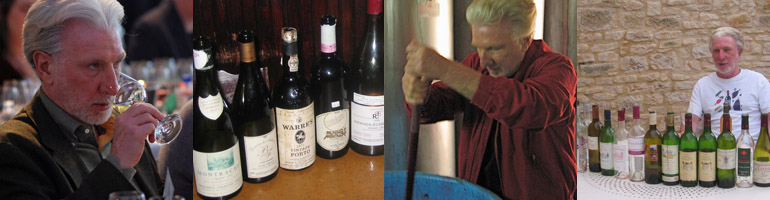
Recently I had an opportunity to taste a range of fine wines from the Abruzzo Region of Italy.
 Located to the east of Rome, the region of Abruzzo has everything going for it. There are beautiful national parks, a long coastline on the Adriatic, the rugged snowcapped Apennine Mountains, and little medieval towns perched precariously on hilltops. Abruzzo is situated between the Adriatic Sea and the Gran Sasso and Majella massif. It is one of the most unspoiled regions of Italy with three national parks and more than ten national and regional natural reserves. Abruzzo geographically is more central than southern Italy, but due to its connection with the old Kingdom of the Two Sicilies, it is considered part of the South. Abruzzo is divided into four provinces: L’Aquila, Teramo, Pescara, and Chieti. Over two-thirds of the wine in Abruzzo is produced by cooperatives.
 Most vineyards are in hilly areas of which 75% are in the province of Chieti. The traditional vine training method is the Tendone system also known as Pergola Abruzzese. The vines are grown along vertical posts and wires to a height of about 6 feet. The vines are planted 2 meters apart in parallel rows 2 meters apart. The leaves grow over the top to form a canopy (pergola) to protect the grapes from the hot Abruzzo sun. The Tendone has always been the way to grow table grapes in the area and it is easier to pick the grapes without having to bend down.
Tasting the Wines
The three most important wine designations in Abruzzo are: Montepulciano d’Abruzzo (red), Cerasuolo (rose), and Trebbiano D’Abruzzo (white). Recently Pecorino (white) has become more important. In terms of the quantity of wine produced, the Abruzzo region is seventh in Italy.
 Abruzzo DOC Pecorino Terre di Chieti Superiore Bio Aime 2025 Cascina Del Colle. Made from 100% Pecorino. This is a family-owned organic winery located in Villamagna. The winery was established in 1997 by the D’Onofrio family. The estate spans roughly 18 hectares of vineyards and olive groves situated about 300 meters above sea level, sitting in a unique microclimate between the Apennine Mountains and the Adriatic Sea. The winery specializes in native Abruzzo grape varieties and is famously known for hand-numbering every single bottle it produces. The vineyards face east/north east at 121 meters. Soil is of a medium texture and the training system is spurred cordon row. Vinification is in stainless steel at a controlled temperature. The wine is aged for 4 months in stainless steel. The wine has hints of citrus fruit, green apple, and a touch of apricot.
 Abruzzo DOC Pecorino made from 100% Pecorino Avalos Lauri. The wine is produced in the Colline Pescaresi PGI/DOC area within Loreto Aprutino. The estate vineyards were planted 2004 at 359 meters in calcareous soil. Grapes are carefully selected and harvested by hand in mid September. The grapes are completely destemmed and undergo a period of skin contact at cool temperatures to pull maximum aromatics from the skins without extracting bitter tannins. There is a gentle pneumatic press used to softly extract the high-quality free-run juice. The clarified grape must undergoes alcoholic fermentation in stainless steel tanks for 12 days. Temperatures are maintained strictly between 16–18 °C to preserve delicate floral and fruit volatile compounds. The wine is aged entirely in stainless steel (no oak contact) and rests in the bottle for two months before release to maintain its clean, vibrant profile. The winery utilizes renewable energy and has certified its wines as 100% vegan. It has hints of ripe pear, green apple, apricot, jasmine, and citrus aromas, balanced by a crisp mineral finish.
 Ottobre Rosso Montepulciano D’ Abruzzo made from 100% Montepulican0 Production area Villamagna (Chieti) Tenuta I Fauri The soil is clay calcareous. There are 3,000 vines per hectare and the training and pruning method is single curtain. Fermentative maceration is for 10/12 days in concrete vats and then racking. The wine is aged for 9 months in concrete vats. This is a wine with hints of red fruit, cherry, clove, orange peel a touch of spice and a hint of herbs. The winery was certified organic with the 2021 vintage. I visited the winery a few years ago and tasted the wines on a number of occasions and was always impressed with them. This is an elegant wine with hints of wild cherry, raspberry, strawberry with a touch of spice and a hint of licorice.
 Cerasuolo D’Abruzz0 Superiore 2025 Tenutarossa made from 100% Montepulciano D’Abruzzo. It is the flagship wine line produced by the Pasetti Vini winery, a renowned family-run estate The line serves as the winery’s “crown jewel.” The name honors the striking heritage of red-haired women within the Pasetti family. The grapes are cultivated high in the Pescosansonesco vineyards, situated at 550 meters above sea level within the foothills of the Gran Sasso e Monti della Laga National Park. The soil is clay-calcareous rich in organic matter. There are dramatic day-to-night temperature swings balanced by refreshing Adriatic Sea breezes. Clay-calcareous land rich in organic matter. Manual harvest takes place in late October and early November. The juice undergoes skin-contact maceration and alcoholic fermentation in temperature-controlled stainless steel vats for 8 to 10 days. This is followed by malolactic fermentation. The wine has hints blackberry, dark cherry, and stewed plum, soil, tobacco, leather, and cocoa.
 Montepulciano D’Abruzzo Riserva Colline Teramane Neromoro Fattoria Nicodemi !100% Montepulciano from the Tramo hills at 300 meters. The soil is of medium textured limestone and clay. There are 1,600 plants per hectare and the training system is Abruzzo pergola. Average age of the vines is 50 years. Harvest takes place the second 10 days in October. The grapes are destemmed followed by a maceration of 15 to 20 days with fermentation in vertical vats. Aging is in new and second passage barriques for 16 to 18 months. There is racking but no fining or filtration before bottling. The wine remains in the bottle for 6 months before release. The wine has hints of blackberries, blueberries, black currant and a note of balsamic.
 Montepulciano D’Abruzzo Riserva Duca Thaulero made from 100% Montepulciano. The Cantina Casal Thaulero takes its name from the small town of Casal Thaulero (TE) where the rolling hills of Abruzzo meet the Adriatic Sea which takes its name from Duke Giovanni Thaulero, the grandfather of Abruzzo viticulture. Grapes are carefully picked by hand to prevent the skins from bruising before they reach the crushing pads. The juice ferments in stainless steel vats directly in contact with the grape skins. This contact allows the alcohol to extract anthocyanins (color) and rich, structural tannins from the skins. After the initial alcoholic fermentation, a natural secondary bacterial fermentation occurs. This converts sharp malic acid into smooth lactic acid, giving the wine its signature velvety texture. The wine undergoes an extensive aging period in large oak barrels. The wood interaction oxygenates the wine, softening the tannins and adding complex secondary notes of leather, prune, blackberry, spice, and dark balsamic. I have a long history with Cantina Casal Thaulero going back many years and they introduced me to the wines of Abruzz0. The wine has hints of black cherry, blackberries, plums, tobacco and a note of licorice.
 Montepulciano D’Abruzzo Riserva 2015 “Casauria” Podere Castorani made from 100% Montepulciano. The training system is the traditional overhead “pergola” trellis system of the Abruzzo region. The soil is deep clay with many underground rocks. Harvest is by hand the beginning of November with grape selection. Fermentation is in concrete tanks with manual pump over and delestages and extended maceration. Malolactic fermentation is completed during skin maceration. The wines ages on the lees in oak barrels and then for 6 months in concrete tanks. Finally the wine remains in bottle for 15 months before release. The wine has hints of cherry, cranberries, licorice, a touch of spice and a note of tobacco.
It was a pleasure for me to reacquaint myself with these wines.


 Last week I was invited to a tasting of Vallevo Wines, one of the labels produced by Frentana. Felice Di Biase was there to speak about the winery and the wines. We had the wines with dinner at Tarallucci e Vino on east 18th st. in NYC.
 The picture on the label is of a trabocco, a characteristic site in this part of Abruzzo. Fishermen traditionally built these wooden piers topped with a shed that jut far out from the shore from which to catch fish. Some of them have been turned into restaurants.
 Trebbiano D’Abruzzo DOC 100% Trebbiano d’Abruzzo. The vines are 15-20 years old and have a North/North East exposure. The grapes are soft pressed and native yeasts are added. Fermentation takes place in stainless steel tanks at controlled temperatures. Malolatic fermentation does not take place. The wine is aged in stainless steel for five months before it is bottled. It has aromas and flavors of citrus fruits, yellow plums, a hint of white flowers and good acidity.
 Costa Dei Trabocchi Rosato Terre Di Chieti IGT Made from 70% Montepulciano and 30% Merlot. The soil is of medium texture, with some clay and limestone. The vineyard is situated on hills overlooking the Trabocchi Coast with a northeast exposure at 150 to 200 meters. Vinification is with a Provencal technique without pressing in temperature controlled stainless steel tanks. Skin contact is only for 3 hours but the wine remains on the lees for 2 weeks in steel tanks to capture the flavor of the grapes. The must is stirred for about one week at 5C. Fermentation is in steel tanks at a controlled temperature. Aging is in steel followed by a few months in bottle before release. The wine has hints of strawberries and raspberries a touch of grapefruit and a note of watermelon.
 Montepulciano D’Abruzzo DOC made from 100% Montepulciano d’Abruzzo. The soil is muddy clay. After pressing and destemming, fermentation is in stainless steel tanks at a controlled temperature for 7 to 10 days. Malolactic fermentation is in stainless steel. The wine is aged in stainless steel until it is ready to be bottled. This is a fruity, medium bodied wine with hints of plum, black cherry, and violets with a touch of black olives and herbal notes.
 Costa Dei Trabocchi Montepulciano Dei Abruzzo DOC Riserva made from 100% Montepulciano from Rocco San Giovanni on the best-situated hills overlooking the Costa dei Trabocchi. The soil is medium texture, mostly clay and the vines are 10-15 years old. The exposure is south, southeast. The grapes are soft pressed and fermentation takes place in stainless steel with skin contact for 10 to 15 days depending on the vintage. The wine is aged in 500 liter barrels of Allier oak for about 14 months, then in steel, and finally in bottle until it is ready for release. This is a full bodied wine that has aromas and flavors of violets, plums and black cherry with a hint of vanilla.
 I was invited by the organizer of the event and the speaker, Susannah Gold. I have been to a number of events hosted by her and they are all well organized and informative.
 Trebbiano D’Abruzzo DOC 2021 Nic Tartaglia made from 100% made from 100% Trebbiano d’Abruzzo from 41 year old vines at 303 meters. The training system is the pergola and there are 1,600 vines per hectare. Harvest takes place at the end of September. The grapes are soft pressed, followed by static clarification. Fermentation is in temperature controlled stainless steel vats for 30 days. Malolactic fermentation does not take place. Aging is in stainless steel vats. The wine is bottled in the spring following the harvest. The wine has hints of citrus fruit, lemon, lime and almonds in the finish.
 Pecorino Superiore Abruzzo DOC 2021 “la Canaglia” (Nic Tartaglia is the owner) Azienda Agricola Fontefico made from 100% Pecorino from a vineyard at 120 meters. The training system is guyot and there are 4,000 plants per hectare with an eastern exposure. The soil is iron, sand and clay. It is a single vineyard wine and is estate bottled and the farm is organic. This is a full bodied, crisp white wine with high minerality and hints of grapefruit, sage, and white flowers with a touch of almonds. It is called La Canaglia, the rascal, of Fontefico because the yields are very low. There is a different label on the bottle very year because every wine has its own personality.
 Cerasuolo D’Abruzzo
 Montepulciano D’Abruzzo 2017 Riserva “Villa Gemma” Masciarelli made from 100% Montepulciano d’Abruzzo on steep, sloped Colle Cave vineyards in Chieti. The soil is limestone, clay and gravel. The training system is French guyot and the farming is sustainable. Harvest is by hand. The harvest ended in October. Fermentation is in stainless steel 15 to 20 days, followed by a maceration of 23 to 30 days.
 Château De Gardes “Cuvée Fût de Chêne” AOC Cadillac 2019 made from 100% Sémillon from 60 year old vines on 64 hectares. The training system is guyot. Harvest is by hand and there are several sortings of the grapes. Traditional winemaking using pneumatic press and gentle filtration before bottling. The wine is aged for 12 months in oak barrels. There is a good balance between sugar and alcohol, with hints of candied fruit and vanilla. The wine can age for 20 years.
 Château Loupiac-Gaudiet AOC Loupiac 2017 made from 90 % Sémillion and 10% Sauvignon from 45 year old vines on 26 hectares. The soil is clay and limestone and the pruning system is simple guyot. Harvest is by hand as soon as the botrytis appears.Traditional winemaking using modern methods–pneumatic press and temperature controlled fermentation. Drink it 2 to 5 years if you want it fresh and fruity, or 5 to ten years if you prefer more richness, or 10 to 30 if you prefer more smoothness. The wine has a good balance between fruit sugar and acidity. There are hints of honey, beeswax, dried stone fruit, lemon, marmalade and a touch of spice in the finish. I was very impressed with this wine.
 There were 4 very interesting seminars, one after another, so you could attend all of them. In order to accommodate all the people that responded, we were divided into two groups, A&B. It was a difficult choice but I went with group B. After the seminars there was a Grand Tasting. The event was organized by Marina Nedic, Executive Director of I.E.E.M. (International Event and Exhibition Management). I have been to a number of events organized by them and they always do a wonderful job.
 The traditional vine training method is the Tendone system also known as Pergola Abruzzese. The Montepulciano grape produces Montepulciano d’Abruzzo. Montepulciano is the most planted grape in Abruzzo and is grown on about 17,000 hectares. It represents 80% of the total DOC wine produced in Abruzzo. The Montepulciano grape has been in Abruzzo since the mid 17th Century.
 Montepulciano D’Abruzzo DOC “Parcella” 2021 Cantina Colonnella. The exposure is south/southeast. The training system is cordone speronato and Pergola Abruzzese with the same yields. There are 3,000 vines per hectare The soil is mainly clayey and well drained. Manual harvest from the end of September to the middle of October. Fermentation is in temperature controlled stainless steel tanks. The wine spends 10 months in large oak barrels (botti) of 50HL and four months in bottle before release. This is a full bodied red wine with rich ripe fruit and hints of plums, black cherry, notes of rosemary and a touch of pepper.
 Montepulciano D’Abruzzo DOC 2021 Gennaro Pigliacampo. The grapes are harvested by hand in the middle of October, immediately destemmed, pressed and left to ferment in stainless steel tanks at a controlled temperature for about four months where spontaneous malolactic fermentation takes place. Aging: 4 months in steel, 12 months in second passage barriques or tonneaux and 3 months in bottle before release. This is a very fruity wine with hints of blackberry jam, blueberries, rasperries and a note of licorice.
 Montepulciano D’Abruzzo DOC “Vere Novo”2020 Cantina Mazzarosa. The vineyard is located in Roseto degli Abruzzo is at 100 meters and the exposure is south/southwest. The grapes are hand picked from the best selection in the vineyard. Fermentation and maceration takes place in stainless steel tanks with the inclusion of about 30% whole bunches with gentle pumping over and delestage. Retention on the lees and maturation in stainless steel for about 12 months. The wine remains in the bottle for 6 months before release. The wine had hints of cherry and cherry jam and herbaceous notes.
 Montepulciano D’Abruzzo DOC “Riserva 2019 Fosso Corno Harvest takes place from the end of September to the middle of October and for the Reserve only the best grapes are chosen. After a 14 day fermentation in steel vats, the wine is transferred to oak barrels of 15 HL for 12 months and then back to steel vats for another 12 months. The wine is in bottle for 2 to 4 months before release. This is a full Riserva with hints of black cherry, black plums, spice and balsamic notes.
 Montepulciano D’Abruzzo DOC “Constantini”
 Montepuliciano D’AbruzzoDOC “Capo Le Vigne” 2017 Famiglia Di Carlo-Vigna Madre. Vineyard exposure is south/southeast at 250 meters. The training system is Pergola Abruzzese (1,800 vines per hectare) condone speronato (4,000 vines per hectare). Harvest is in August/September. There is long maceration on the skins is stainless steel tanks at a controlled temperature. Aging: 12 months in steel, 12 months in French barriques and 12 months in battle before release. The wine has hints of red fruit, black cherry, leather with with a hint of leather and a note of cinnamon.
 Montepulciano D’Abruzzo DOC Riserva Enisio 2017 Tocco. The vineyard is at 350 meters and the exposure is south/southeast. The grapes are hand picked from October 25th to November 5th. After a careful selection, the grapes are picked from their stems and squeezed. The skins are left in contact with the wine must which contains its own wild yeast for about 18 days at a constant temperature. Aging is in barriques for 12 months and 12 months in bottle before release. The wine has hints of red fruit, cherry and licorice.
 Montepulciano D’Abruzzo DOC “Pepe Rosso” 2008 Stefania Pepe Agricola Bio Vitivinicola. The vineyards are in Torano Nuovo with a southwest exposure and the soil is clay-calcareous. They are at 250 meters, 15 km from the Adriatic Sea and 60 km from the Grand Sasso, the highest mountain in the Apennine Mountains. During the period of the full moon the grapes are harvested and destemmed by hand. Fermentation is in small concrete vats, keeping the temperature low, with 6-13 days of skin maceration. No additives are added, not even sulfites. The wine remains in concrete vats and is bottled by hand from a gravitational flow. Filtration does not take place and the wine is aged in bottle until it is ready to be released. This is a complex
 When we arrived at the winery we were met by Emidio and his granddaughter Chiara De Julis. I had known Chiara as the public relations person for the winery in NYC.
 Chiara took the group to view the vineyards and spoke about the land. The soil is clay and limestone with the top 40 centimeters in clay on a solid layer of limestone. She said they use both the tendonne or pergola method for the Montepulciano and Trebbiano varieties and the cordon spur method for the Pecorino for training the vines. Chiara explained that “the pergola is like a solar panel to my grandfather: the greater sun exposure guarantees more photosynthesis so a ratio in favor of energy production and accumulation of reserves, keeping the evolution of the berries slow and gradual. The ripening of the Montepulciano under the shade of its leaves is the key to the elegance of its tannins; the pergola is the promise today, as an ancient visionary resolution facing today’s challenging climate.”
 The dinner menu
 Over dinner Chiara spoke about the wines. She began by telling us that her grandfather’s first bottled vintage was in 1964 and at that time he had only one hectare of vines. Today there are 17 hectares of vines near the Adriatic Sea that stretch out over the Teramo hills at the foot of the Gran Sasso Mountain.
 The wines made from the younger vines are released early for the Italian market. The wines made from the older vines are left in the winery to age and and then released on the international market. Chiara said the young vines do not have the the body or complexity to make to overseas journey.
 Starting in 2018 with the 2010 vintage, the aged wines will have Selizione Vecchie Vigne on the label.
  We tasted Trebbiano 2019, 2009, 2013, 2004 – While I like the older vintages I prefer the younger ones.
 The last wine we tasted was the 1983 Montepulciano D’ Abruzzo. Chiara said at first her grandfather did not like the 1983 vintage so he kept it in his cellar and did not sell it. A journalist came for a visit and asked why there was no 1983 on the market. When Emidio explained, the journalist asked if he could try it. Emidio agreed and they tasted it together. The wine had developed in the bottle and the two decided that it was a great wine in a great vintage. Emidio put 30% of the 1983 on the market. I was very happy Chiara let us taste this wine. I have had the 1963 a few times over the years and all I can say is that it is in a league of its own.
 I have visited Abruzzo a number of times and have always enjoyed the wine and food. In fact some of my favorite wines are produced there.
 On the first night we visited had dinner in a trabocco. Fishermen traditionally built these wooden sheds onto piers that jut far out from the shore as a place to catch fish when the weather was bad.
 The one we visited had been converted into a restaurant the, Trabocco Punta Cavalluccio. Davide Acerra, president of the Consortia Tutela d’Abruzzo, welcomed us and spoke about the Abruzzo Region.

 Sautèed Mussels
 Verrigni fusilli with cuttlefish, glasswort and turmeric scented bread crumbs
 We also visited the town of Loreto Aprutino which was know for its olive oil production and there is a Olive Oil Museum there in a Gothic building dating from 1881. Unfortunately the museum was closed.
 Stefania Pepe “Pepe Rosa” Montepulciano d’Abruzzo Cerasuolo DOC Biologico 2017. Made from 100% Montepulciano d’Abruzzo. The exposure is southeast. The training system is the pergola abruzzese. Fermentation takes place in temperature controlled stainless steel vats, without the skins, only the juice. This is a fresh fruity rose with red fruit aromas and flavors and hint of cherry. I have been a big fan of Stefania’s wines for many years.
 Talamonti Trebbiano d’Abruzzo Riserva made from 100% Trebbiano di Abruzzo. The soil is stony, calcareous, structured and drained. The vineyard is at 300 meters. Harvest is by hand in mid September. Stalks are removed and the grapes undergo a cold maceration followed by a soft pressing. The clarified must is fermented on temperature controlled stainless steel vats for 12 days. The wine is aged for 7 months in 300 liter oak barrels (30%) and stainless steel (70%) with repeated badinage before bottling. The wine has hints of citrus fruit, apple, spiced good acidity. This is a white wine that will age. The president of the winery is Rodrigo Redmond. Before the tasting he recognized me from his time in NYC and we spoke. I did not know he had a winery and I was very impressed by the wines.
 Tenuta I Fauri Abruzzo Pecorino DOC 2017 made from 100% Pecorino. The soil is clay calcareous and the training and pruning methods are tendone, single curtain/rows (spur training). There are 1,600/3,000 vines per hectare. Static decanting of the must takes place, followed by a soft pressing. Fermentation is in stainless steel at a controlled temperature and the wine is aged in stainless steel. The wine is bottled at the end of February. The wine has hints of apple and honey and a touch of mint. I visited the winery a few years ago and really liked the wines.
 Fattori Nicodemi “Notàri” Trebbiano d’Abruzzo made from 100% TrebbIano d,Abruzzo. The vineyard is at 300 meters and the exposure is north/east. The training system is pergola Abruzzo and there are 1,600 vines per hectares. The vines are 50 years old. Harvest takes place the second half of September. Vinification is for 15 days in stainless steel at a controlled temperature. The wine remains on the lees for 6 months with bàtonnage. The wine remains in bottle for 6 months before release. The wine has hints of apricot, and hazelnut with a note of green olives and touch of mint.

 Trebbiano D’ Abruzzo
 Trebbiano D’Abruzzo 2019 Tiberio made from a massal selection of Trebbiano with average age of 60 years. The vineyard is 2.5 hectares and is at 380 meters. The soil is mainly limestone with a gravel sandy subsoil and the training system is tendone (canopy). There are 2,500 wines per hectare. The grapes are hand harvested at the end of September. The grapes are not pressed and only the free run juice is used. Alcoholic fermentation is in stainless steel takes and malolactic fermentation does not take place. The wine has hints of apricot, jasmine, anise and green apple with a note of almonds in the aftertaste. $20. I have had wines by this producer and have always been impressed.
 Trebbiano D”Abruzzo 2019
 Montepulciano D’Abruzzo Riserva 2015 “Casauria” Podere Castorani made from 100% Montepulciano. The training system is the traditional overhead “pergola” trellis system of the Abruzzo region. The soil is deep clay with many underground rocks. Harvest is by hand the beginning of November with grape selection. Fermentation is in concrete tanks with manual pump over and delestages and extended maceration. Malolactic fermentation is completed during skin maceration. The wines ages on the lees in oak barrels and then for 6 months in concrete tanks. Finally the wine remains in bottle for 15 months before release. The wine has hints of cherry, cranberries, licorice, a touch of spice and a note of tobacco. $31
 Vernaccia di San Gimignano 2019 Campo della Pieve IL Colombaio di Santa Chiara made from 100% Vernaccia. The 1.5 hectare vineyard is at 360 to 400 meters and there are 5,500 vines per hectare. The soil is old Pilocene, which is sand and clay, and the training system is spurred cordon. Harvest by hand is the end of September and beginning of October. There is a soft pressing of the grapes and fermentation takes place with indigenous yeasts at a controlled temperature. Maturation is on the lees in cement vats with periodic batonnage for 18/20 months. This is a complex and aromatic wine with hints of ripe yellow stone fruit, citrus, white flowers and toasted almonds and a very nice finish. $21