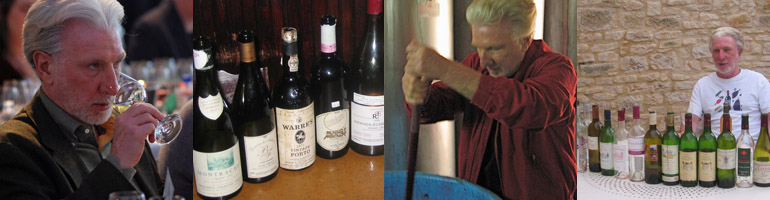
The Chianti Classico Grand Tasting in NYC is an event that I look forward to every year.  Ever since I visited Florence and Tuscany back in 1970, I have enjoyed drinking Chianti Classico. When I attend the Grand Tasting, I can meet and speak with the producers, restaurateurs, wine sales people, and friends, all of whom are lovers of Chianti Classico.
The Wines and the People of Chianti Classico
 Vecchie Terre Di Montefili Gran Selezione 2021 made from 100% Sangiovese from hillside vineyards at 500 meters. The soil is Alberese and the training system is cordon and guyot. The 3 hectare vineyard was planted in the 1980’s. Hand harvested with selection in the vineyard. Spontaneous fermentation takes place in stainless steel tanks. No added yeasts. The wine ages for 22 months in 20 HL casks (botti). This is a structured and balanced fruity wine with hints of red cherry, blackcurrants, ripe plum with a note of cinnamon and a touch of cloves.
 I had visited the winery a few years ago and tasted the wine with Serena Gusmeri, the winemaker. To my surprise and delight Serena was at the tasting pouring the wines and we spoke about the wines. Serena believes in as little interference in the winemaking process as possible and she believes that the grapes should speak for themselves. The vines are very old and they produce a wine that is very concentrated and can last for 20 years or more. This concentration and longevity come from the grapes themselves and not from anything that is done during the winemaking process. My kind of wine.
 Chianti Classico Grande Selezione “La Pieve” 2021 San Felice Made from Sangiovese and other native vines from their finest vineyards. The soil is of medium texture with a predominance of clay of calcareous-marly origin, derived from the disintegration of Alberese and Galestro. The training system is cordone speronato and guyot. Harvest is the 4th week of September. Alcoholic fermentation in steel tanks, with maceration for 22 days at a temperature of 28– 30°C. Malolactic fermentation and aging in wood for 24 months. Refinement in French oak tonneaux of 500 liters. Bottle aging for 8 months. This is a full bodied wine with hints of violet, black currants and spice with a touch of tobacco and a hint of licorice. This is a true expression of Chianti Classico. This wine will age for 10 to 15 years.
 Monsanto Chianti Classico “IL Poggio” made from 95% Sangiovese and 3% Colorino and 2% Canaiolo. The training system is guyot and spurred cordon. The soil is sandstone content with limestone. There are 5,500 plants per hectare. Fermentation lasts for 15 days with pre-fermentation maceration lasting 3 days in temperature controlled truncated-cone vats with indigenous yeasts. Delestage and pumping over lasts for 22 days. The wine is aged in 38 HL French oak barrels for 18 months. The wine has hints of black cherry, blueberry, cassis, coffee, tobacco and a note of violets. This is a wine that can age and one of my favorites. I have a long history with Monsanto going back almost 40 years and the wonderful 1977 vintage. I visited the winery and met the owner, the legendary Fabrizio Bianchi, in 1983. Today the winery is in the hands of his daughter, Laura Bianchi.
 At the event pouring the wine for Monsanto was Giulia Cecchi, daughter of Laura Bianchi and Andrea Cecchi ,CEO of Cecchi.
 Andrea Ceechi holding the Chianti Classico Gran Selezione 2021 “Valore Di Famiglia” Cecchi made from 100% Sangiovese Made from the historic Cru Paragone vineyard in Castilian in Chianti. The soil is limestone and clay (alberese) with significant pebble content on steep slopes. A minimum of 30 months total aging, including 15 months in oak tonneaux, followed by 3 months in concrete vats and at least one year of bottle resting. The wine has hints of blackberries, black cherry, rasperries, and spice with a touch of walnut and a hint of balsamic. I have know Andrea Cecchi for a number of and it is always a pleasure to see and to speak to him. In the background of the photo is another friend, Dino Tantawi, founder of Vignaioli Selections.
 Carobbio Chianti Classico
Back in the 1980’s with Susan Westmorland and John Simmons we tried to buy this winery. I believe back then it was called Villa Carobbio and the label was very different. We visited the winery and met with the owners in NYC but we could not come to an agreement.
 Chianti Classico Gran Selezione Vigna del Sorbo Panzano 2022 Fontodi made from 100% Sangiovese from the Vigna del Sorbo vineyard with a southwest exposure and 55 year old vines. There are 3,500/6,000 vines per hectare and the training system is guyot. Fermentation and maceration is in stainless steel with indigenous yeasts for at least 3 weeks. The wine is aged in French oak barriques and large casks for 24 months. The winery is certified organic. The wine has hints of black cherry, black currants, blackberry, plum and a touch of spice.
 This is a family winery is headed by Giovanni Manetti, who I have know for a number of years. He is also President of the Chianti Classico Wine Consortium.
 Ruffino Chianti Classico Gran Selection Riserva Ducale Oro 2021 made from about 85 % Sangiovese with some Merlot and Colorino. As I was tasting this wine my mind went back to the 1947.
 Chianti Riserva Ducale Ruffino 1947 made from 70% Sangiovese, 15% Canaiolo, 10% Malvasia and Trebbiano and 5% Colorino, Ciliegiolo and Cabernet. Made by using the governo method. Once common in Tuscany, governo is a secondary fermentation created by the addition of dried grapes 10-15%, or the must of dried or concentrated grapes. Colorino was usually the grape of choice to be dried. The best grapes from Ruffino’s vineyard were used for the Riserva Ducale, which spent at least three years in large oak casks. The Riserva Gold Label is a selection of the lots of the best vintages of the Riserva Ducale. The wine was well over 50 years old when I drank it and it was fantastic
 Chianti Classico 2022 Riserva Chianti Classico Tenuta Perano (Frescobaldi) Made from Sangiovese and Merlot. The vineyard is at 500 meters. Grapes are carefully selected and harvested by hand. Fermentation is in stainless steel at a controlled temperature. The cap formed on the surface is broken frequently to ensure perfect polyphonic extraction. The wine is aged in oak barrels for 24 months and for a time in the bottle before release. The wine has hints of violets, red berries, and leather with floral notes and a touch of pepper. $46 I have always enjoyed all the wines made by Frescobaldi.
 Chianti Classico 2024 Banfi made from mostly Sangiovese and small amounts of Canaiolo Nero and Cabernet Sauvignon. The soil is calcareous and well structured. Fermentation takes place with traditional skin contact of 8 to 10 days. The wine is aged for a short time in large casks of French oak. Bottling takes place the summer after the harvest. The wine has hints of cherries, plums and violets with a note of leather. Banfi has for many years been a leader in Italian Wine
Nest Time the Master Class I attended at the Grand Tasting: Tradition Thrives on Innovation: Techniques & Traditions Defining Chianti Classico. Hosted by Jeff Porter on Zoom from Torino and Randall Restiano


 G
G Margherita Manetti
 Chianti Classico 2019 Castello La Leccia made from 100% Sangiovese. The vineyards are at 350 to 500 meters, soil is clay, silt sand, schistous clay and alberese. There are 4,500/ 5,200 vines per hectare and the vines are 9 to 15 years old. There is a south/southwest exposure and the training system is guyot. Harvest is manual in September/October and there is a selection in the vineyard. Destemmed grapes are gently crushed and transferred to steel thanks which are temperature controlled. There is a pre-fermentation cryomaceration for 24 hours followed by the alcoholic fermentation with short and frequent pumping over. Maceration lasts for 10 to 12 days. After racking, malolactic fermentation and maturation takes place in concrete tanks. The wine remains for 12 months in French and Austrian oak barrels of 2,000 to 2,500 liters. The wine has hints of red fruit, cherry, and violets.
 Bibbiano Chianti Classico Riserva 2018 made from 100% Sangiovese. The production area is Bibbiano and Castellina in Chianti from all the vineyards of the estate (25 hectares) from both the southwest and northeast slopes. The soil is calcareous-clay mixed with (limestone based) alberese rock. This wine represents the territorial characteristics of the estate since it is produced from Sangiovese grapes grown on both sides of the estate with the addition of a small amount of Colorino. Havesting of the Sangiovese began on September 20th and Colorino a few days later. The vinification takes place in cement vats and fermentation on the skins lasts for 18 days. There is a further stage of maturation while the wine is still in the cement vats, followed by a 3 months refining period in the bottle. This is a very well balanced wine with fruity hints of cherry and prune and a touch of violets.
  Chianti Classico 2016 Grand Seclezione Volpaia Made from 95% Sangiovese and 5%
 Monsanto Chianti Classico “Il Poggio” 2016 made from 95% Sangiovese and 3% Colorino and 2% Canaiolo. The training system is guyot and spurred cordon. The soil is sandstone content with limestone. There are 5,500 plants per hectare and the training system is spurred cordon. Fermentation lasts for 15 days with prefermentation maceration lasting 3 days in temperature controlled truncated-cone vats with indigenous yeasts.
 Chianti Classico Badia a Colibuono 2011 90% Sangiovese 10% Colorino and 5% Ciliegiolo. The vineyards are at 250/330 meters and the soil in clay loam and limestone rock. The training system is guyot and the wines are 6 to 30 years old. There are 5,000 to 7,300 vines per hectare. Indigenous yeast from grapes with a starter. Spontaneous malolactic fermentation takes place in stainless steel tanks. There is a light gelatin fining and a membrane filtration. The wine is aged in 2,000 to 2,500 liter French and Austrian oak casks for about 12 months. Then aged in bottle for about 3 months before release. The winery has been organic since 1995. The wine has hints strawberry and raspberry with good acidity, a note of violet and a touch of sunshine on the Tuscan pines. I have been drinking this Chianti Classico since the 1978 vintage.
 Principe Corsini Villa Le Corti Don Tommaso
 Banfi Tuscany Chianti Classico Riserva 2017 made from Sangiovese Canaiolo Nero and Cabernet Sauvignon. The soil is calcareous and well structured. The alcoholic fermentation takes place with a medium period of maceration. Aging for two years of which a minimum of 12 months is in Slavonian oak barrels. The wine is then aged in bottle for at least 6 months before release. This wine has hints of cherries, plums and iris with a note of leather.
 Chianti Classico Riserva DOCG 2018 Riserva made from 100% Sangiovese Tenuta Di Nozzole. The estate is located in the village of Greve in the heart of the Chianti Classico region. The vineyard is at
 Insoglio del Cinghiale Toscana IGT 2019 made from 33% Syrah, 14% Cabernet Franc, 33% Merlot, 14% Cabernet Sauvignon and
 Brunello di Montalcino DOCG 2015 made from 100% Sangiovese. Silvio Nardi. This Brunello is a blend of the finest grapes from the Manachiara and Castel del Bosco estates with a northwest and southeast exposure at 350 meters. The soil is a composition of jasper and shale. The grapes are hand picked and sorted and only 70% of the grapes are used to make the wine. Fermentation and maceration takes at least 24 hours, depending on the parcel, at a controlled temperature. The wine is aged for 12 months in new and used Allier French oak barriques and then for 18 months in large Slavonian oak barrels. Then it remains in the bottle for 12 months before release. This is a full bodied wine with hints of red berries, leather, tobacco and a touch of spice.
 Chianti Classico 2019 Lilliano made from 90% Sangiovese, 5% Merlot and 5% Cabernet Sauvignon. After the quality-selected clusters are destemmed and pressed, the must is fermented and macerated in stainless steel for 18-20 days at a controlled temperature with programmed punch-downs and daily pumpovers. Maceration fermentation takes place in concrete and small stainless steel tanks at a controlled temperature for 18-20 days depending on the vintage. The wine ages for about 12 to 14 months in large casks of French oak and partly in concrete. After maturation, the final blend is assembled, bottled and aged in glass for a minimum of 3 months. This is a wine with hints of red fruit, cherry, violets and a touch of cassis.
 Chianti Classico Gran Selezione D.O.C.G.”Vigna di Corno”
 Vino Nobile di Montepulciano DOCG 2015 Cecchi made mostly from
 Carmignano 2017 Capezzana by Contini Bonaccossi Villa di Capezzana. Made from 80% Sangiovese and 20% Cabernet Sauvignon. The elevation is 180/220 meters and the soil is clay, limestone, schist and marl. The age of the vines is 20/40 years and the training system is guyot cordon spur. There are 4,500 vines per hectare and they use organic farming practices. Fermentation is with native indigenous yeast. There is a 13 day extended maceration period. Malolactic fermentation takes place in French tonneaux. Aging: 60% in 2nd and 3rd or 4th passage French oak tonneaux, 10% in new French oak tonneaux and 30% in 5/30 year old untoasted Allier or Slavonian 24 HL barrels for 12 months. The wine is aged for another 12 months in bottle before release. This is an elegant wine with hints of red berries with a note of blueberries and a touch of violets. I have a long history with this estate going back 40 years. This is a wine that can age. In 1985 I had the 1925 which at the time was labeled Chianti Montalbano.
 Bruno di Rocca IGT Colli Toscana Centrale 2015 Montefili made from 80% Cabernet Sauvignon and 20% Sangiovese from vineyards planted in the early 1980’s. The soil is galestro and the training system is spurred cordon. Vinification is in stainless steel tanks with indigenous yeast. Aging for a minimum of 28 months in tonneaux for the Sangiovese and for the Cabernet Sauvignon in barriques (350 liters). The wine spends a minimum of 12 months in bottle before release. It is difficult to make this type of wine where the Cabernet Sauvignon does not dominate but this is a soft elegant wine.
 Chianti Colli Senesi 2017 “San Nicola”
 Chianti Montalbano 2019 Artimino 1596 made from Sangiovese, Canaiolo and Colorino. The vineyards are at 110 meters and the soil is silt and sand with a good percentage of clay. Guyot is the training system for the older vineyards and the rest cordon spur. The gapes are fermented in stainless steel tanks at a temperature of 22°C for 16 /18 days with a daily skin maceration process and frequent pumping of the must over the skins. After the first fermentation, the wine matures in stainless steel tanks for at least 6 months, 2 of which are on the lees. The wine is then refined in bottles for 3 months. The wine has hints of red berries and violets.
 Chianti Colli Fiorentino Darno Tenuta San Vito made from 90% Sangiovese and 10% Canaiolo. Harvest takes place in October. Traditional red wine vinification with 10 to 15 day maceration on the skins with daily pumperovers for several days followed by malolactic fermentation. The wine is aged in glass lined tanks and stainless steel followed by some bottle aging. The wine has hints of red berries, cherries and violets.
 Castello di Mugazzena “Gargatura” IGT Toscana 2017 made from 100% Syrah. The soil is clayey sandy terraced alluvial deposits. Training system is unilateral spurred cordon. Manual harvest. Grapes are destemmed and sorted. The grapes are pressed and then pumped into


