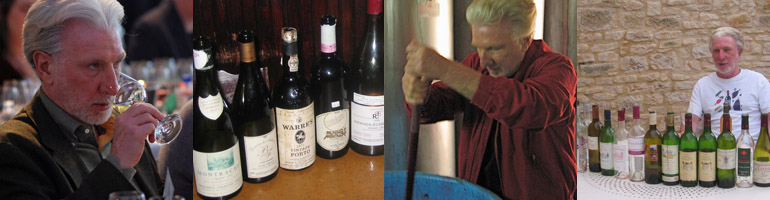
Because I have been unwell, my reporting has been sporadic lately, but I look forward to being back on schedule shortly! Meanwhile, these are some wines I have recently enjoyed drinking.
 Campania Falanghina IGT 2021 De Meo made from 100% Falanghina from Guardia Sanframondi (BN) at 500 meters. The vines were planted in 2005. The exposure is south/east and the soil is clayey. There are 4,000 plants per hectare and the training system is espalier with mono lateral guyot pruning. Manual harvest of select bunches in 15 kg baskets tales place the first week of October. Cryomaceration followed by a soft pressing of the grapes. Fermentation is at a controlled temperature in stainless steel for about 3 months and 3 months in bottle before release. The wine has hints of apple, litchi, dried fruit and thyme with a flowery note. This is an excellent Falanghina $25.00
 Chateau d’Estoublon Roseblood Rose 2024 made from 65% Grenache, 15% Syrah, 15% Cinsault and 5% Rollo. Soil is clay-limestone red earth, areas of gravel and flint. At 350 – 400m altitude. Direct pressing, cold alcoholic fermentation, vinification and maturation in stainless steel and concrete vats. Aged for several weeks on fine lees. Alcohol 12.5%. This wine offers a mix of strawberry, melon and nectarine flavors with notes of smoke, fresh green herbs and minerals. Well balanced. $25
 Esporāo Reserva 2022 Monte Velho made from Touriga Nacional, Aragon, Syrah and Trincadeira from a careful selection from the various regions of the Alentejo. The soil is granitic/schist and loam/clay. The average age of the vines is 18 years. Mechanical harvesting. After destemming and crushing, alcohol fermentation takes place at a controlled temperature, the grapes are then pressed, then malolactic fermentation. Aging is in oak barrels for 8 months. The wine has hints of wild berries, black plums with slight notes of jam. $12
 Chianti Classico Grande Selezione “La Pieve” 2021 San Felice Made from Sangiovese and other native vines from the finest company vineyards. The soil is of medium texture with a predominance of clay of calcareous-marly origin, derived from the disintegration of Alberese and Galestro. The training system is cordone speronato and guyot. Harvest is the 4th week of September. Alcoholic fermentation in steel tanks, with maceration for 22 days at a temperature of 28– 30°C. Malolactic fermentation and aging in wood for 24 months. Refinement in French oak tonneaux of 500 liters. Bottle aging for 8 months. This is a full bodied wine with hints of violet, black currents and spice with a touch of tobacco and a hint of licorice. This is a true expression of Chianti Classico and I have been drinking and enjoying the wines of San Felice of a number of years. This wine will age for 10 to 15 years. $50
 Valpolicella Mai Dire Mai DO C Superiore 2015 Pasqua made from 50% Corvina, 30% Corvinone, 10%Rondinella and 10% Oseleta from the Montenegro vineyard. This is a 23 hectare vineyard on a hill at 350 meters between Val d’Illasi and Val di Mezzane, the soil is basalt and calcareous in origin, with optimal mineral content. The grapes are hand-picked with careful selection. Following gentle pressing, fermentation takes place at controlled temperatures between 20-22°C. The next step is aging in French oak 500-liter casks and 225-liter barrels (mainly new or second use) for 18 month. 15% Alcohol. The wine has hints of tobacco, cedar, clove, morello cherry, coffee and balsamic notes. The finish is long with a touch of spice. $55
 Amarone Della Valpolicella 2018 Famiglia Pasqua made from 65% Corina, 25% Rondinella and 10% Corvinone. The soil is calcareous, clayey and gravely and the vines are about 30 years old. The grapes are harvested by hand in September and laid down to dry in the drying loft for about 3 months where the bunches lose about 25-30% of their weight and substances in the grapes become concreted. After pressing, alcoholic fermentation in steel vats begin, for about 25-30 days at a controlled temperature. Continuous punching down carried out to encourage extraction of color and tannin. The wine is then transferred to French oak barrels where malolactic fermentation takes place and gives softness to the wine. After about 18-20 months of aging, the wine is bottled and aged for another four months. The wine has hints of blueberries, cherries, cocoa, tobacco with spicy notes and a hint of vanilla. There is a persistent aftertaste with a hint of morello cherries. Alcohol 15%. $60
Note: This year marks a century of Pasqua Wines. Founded in 1925, Pasqua has remained a family-owned winery for three generations, dedicated to producing terroir-driven wines that capture the richness of Valpolicella and beyond. I have been enjoying Pasqua wines for the last forty years.


